

I’ve turned procrastination into an Olympic event, so I can tell you, from my heart, that getting what you need to get done is often harder than it looks on paper.
These days I understand why. My ADHD brain runs on interest, urgency and novelty, and when a task offers none of those, starting can feel like wading through wet cement. Knowing that has changed everything. Instead of berating myself for what I’m not doing, I’ve learned to work with the brain I actually have.
I work from home, so have to be my own cheerleader, boss and accountability ‘partner’, so I have come up with a number of ways to get my head into my work and get stuff done.
One of the techniques I use to overcome my tendency to procrastinate is to switch my mind away from the task I am meant to do and do something, briefly, which will get my brain motivated and into work. For those of us with ADHD, this is gold. A small, finishable task delivers a little burst of satisfaction, and that is often all the fuel we need to get moving.
Set a timer for 10 minutes and ONLY work until the timer rings. Then stop - refocus - and get on with the job you have been putting off. It sounds too simple to work, but it does.
I’m going to share seven quick small jobs which you can choose from to kickstart your motivation! The trick is not to linger over them, even if they look like they’ll take longer than the time you’ve given them - when the timer rings - just stop! You weren’t going to do these jobs right now anyway, so what’s the hurry to finish them?
A word of warning for my fellow beautifully scattered minds: we can hyperfocus with the best of them. What starts as a 10-minute email clean-up can quietly become a two-hour archive project. When the timer rings, stop. The job will still be there tomorrow and, honestly, that’s exactly how it should be.
You can also create your own short task list as a go-to for this exercise.
Set a timer for 10 Minutes
1. Check and answer or file emails from your inbox. You will be working towards the Nirvana of Inbox Zero - delete, answer, action or file. Once you have answered or actioned an email, you can delete it. Your reply sits in your ‘sent’ folder with the whole thread attached, so nothing is lost. Just make sure you don’t have automated deletion set up, and your deleted correspondence will stay where it is until you search for it. Even so, it’s best to file anything you really want to refer back to!
2. Do a puzzle - yes, I did say that! I know it’s not exactly work related, but solving puzzles helps your brain get into ‘work’ mode, helps you think and tests logic skills. Try a quick puzzle like Sudoku or an online jigsaw, and it will relieve some of your stress at the same time. For an ADHD brain, the novelty of a puzzle works like a starter motor.
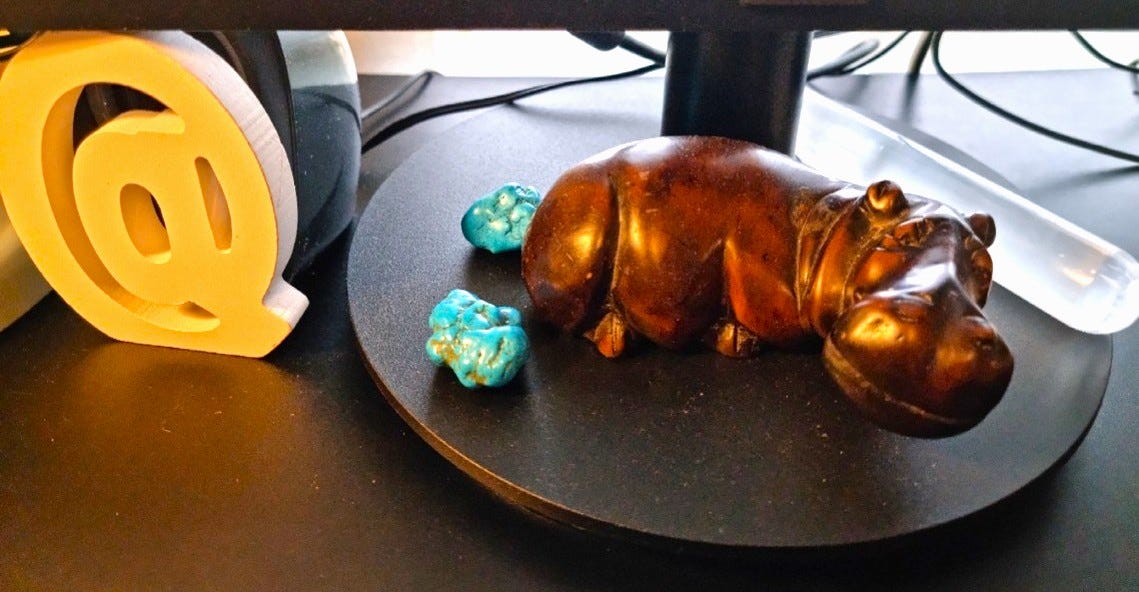
3. Clean your desk, including your computer and keyboard. Tidy up the things you really don’t need to have in view. Give everything a good wipe with a damp cloth and a duster. Rearrange things if you like. Pop some items on your desk which make you smile - I have a ‘House Hippo’!
4. Check your computer ‘desktop’ and delete or refile items which don’t need to be sitting there. Desktop files can slow your computer down just by being where they are, and they are better filed where you can find them or deleted if they no longer serve you. If your filing system is a mystery even to you, keep it simple: fewer folders, obvious names. Future-you will thank present-you.
5. Make a shopping list - look around your office and check what stationery supplies you need and make a list for the next time you go to an office supplies store. Do you have enough printer ink, paper, pens, notebooks - personally, I never have enough notebooks and can always fit more on my shelf!
6. Check and empty your email spam folder - you should make a regular habit of this anyway, as sometimes spam filters can flag emails which are important to you. Delete everything you know is spam.
7. Unsubscribe from subscription emails. We all have them. We have signed up for an interesting ‘how to’, ‘white paper’, ‘sales page’ and now we get emails far too often, which we never read and just delete. Rather than simply delete them, go that extra step and unsubscribe. Just be careful when you do this, as you should never try the unsub button from unsolicited emails, as they can lead you to dangerous webpages, or at best inform the sender they have reached a ‘live’ email recipient - in which case they won’t unsubscribe you, but will double their efforts to spam you!
None of these jobs are the work. That’s the point. They are the ramp that gets your brain up to speed, and once it’s rolling, the real job is far less scary than it looked ten minutes ago.
If you’d like more small, doable strategies like these, come and join us at The Dandelion Clock, my monthly membership for late-diagnosed women with ADHD. We meet monthly and tackle one thing at a time, no overwhelm allowed, and every member builds their own ADHD-friendly manual as we go. Founding membership is $25/month, locked in for as long as you stay. Come and find us at www.nanberrett.com/the-dandelion-clock